



Related posts
How to Prepare Technical Drawings for Metal Fabrication Quotes
A complete drawing package is the fastest way to get an accurate quote for custom metal fabrication. Missing information leads to questions, assumptions, and delays.
Suppliers need enough detail to ...
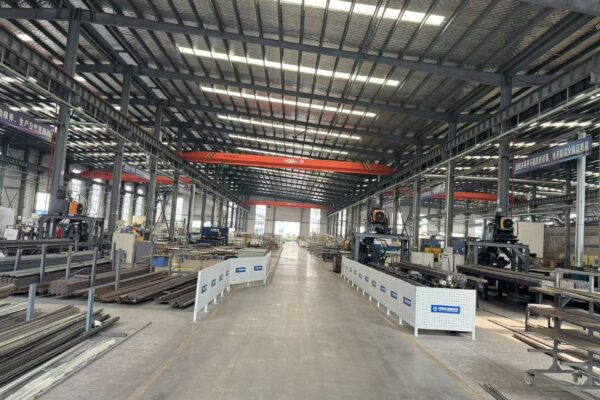
DFM Guidelines for CNC Machined Parts
Design for manufacturability (DFM) helps CNC machined parts be produced faster and at lower cost. Small design choices can reduce machining time, improve quality, and simplify inspection.
DFM is not...
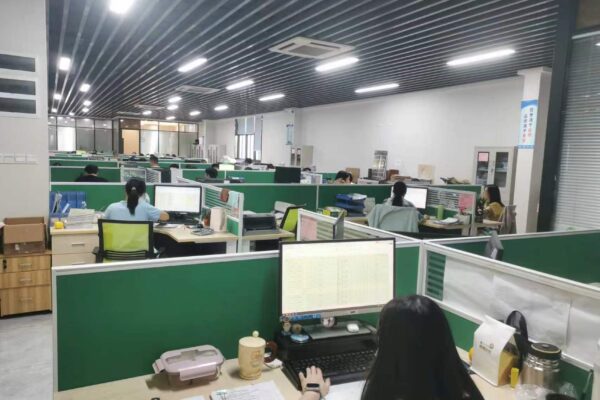
A Complete Quality Checklist for OEM Metal Parts Orders
A clear order package helps avoid mistakes and rework. Use this checklist before sending your next OEM metal parts inquiry.
Missing or unclear information is one of the most common causes of product...

5 Ways to Shorten Lead Times for Custom Metal Parts
Long lead times are a common problem for buyers of custom metal parts. Here are five practical ways to speed up your project without sacrificing quality.
Lead time is not just production time. It in...

How to Reduce Costs in Custom Sheet Metal Fabrication
Cost reduction in sheet metal fabrication starts with design. Small changes to material thickness, bend radius, and hole placement can significantly lower production costs without reducing function.
...
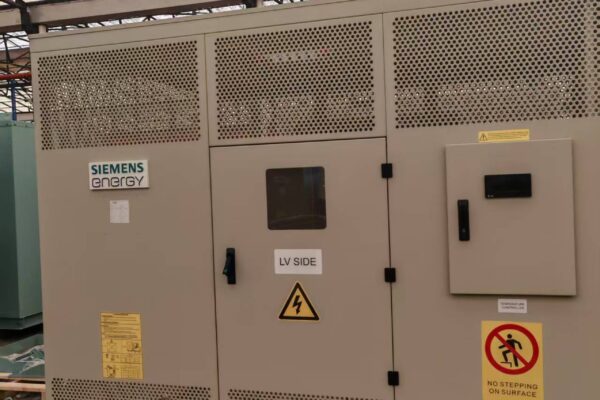
Top Design Tips to Prevent Welding Distortion in Metal Assemblies
Welding generates heat, and uneven heating causes distortion. Controlling distortion starts during the design phase, not after welding is complete.
Distortion can lead to parts that do not fit toget...
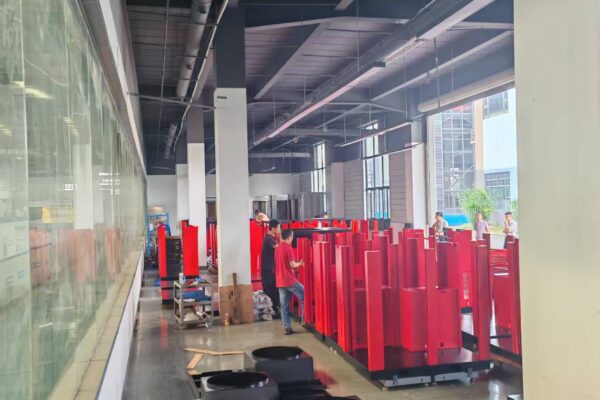
Anodizing vs. Powder Coating: Selecting the Best Finish for Aluminum Parts
For aluminum CNC parts and aluminum enclosures, two common finishes are anodizing and powder coating. Each offers different benefits depending on the application.
The choice between the two usually ...
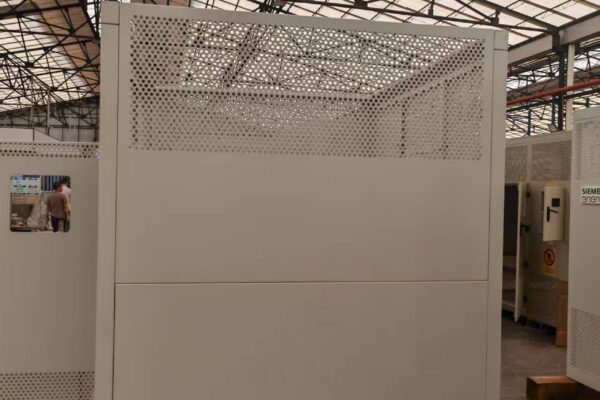
Laser Cutting vs. CNC Punching: Which Is Better for Sheet Metal?
Both laser cutting and CNC punching are common methods for processing sheet metal. Each has strengths depending on part geometry, material thickness, and production volume.
Choosing the right proces...
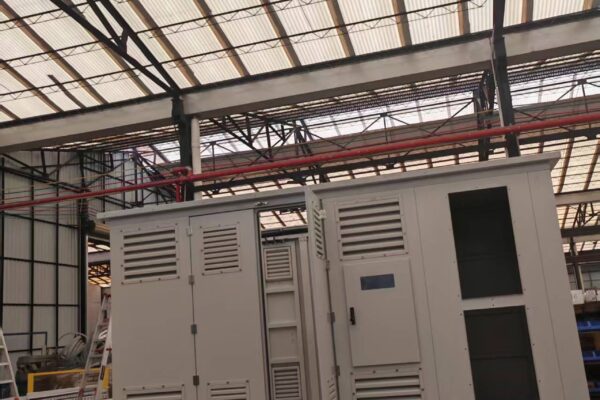
Understanding CNC Machining Tolerances for Precision Components
Tolerance is the acceptable range of variation in a machined dimension. When ordering CNC machined parts, specifying the right tolerance balances precision with cost.
Many buyers specify tighter tol...
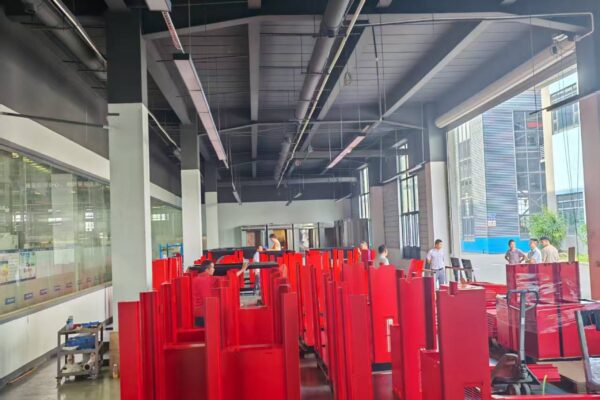
How to Choose the Right Material for Your Custom Metal Parts
Choosing the right material is one of the most important decisions when ordering custom metal parts. The material affects strength, weight, corrosion resistance, cost, and finishing options.
Start b...
The Future of Custom Metal Parts: Precision, Speed and Flexibility
The market for custom metal parts is moving toward higher precision, shorter lead times, and greater production flexibility. Buyers no longer want to wait weeks for prototypes or switch suppliers when...
Sustainable Surface Finishing Trends in Industrial Metal Fabrication
Surface finishing is evolving as manufacturers look for ways to reduce environmental impact without sacrificing protection or appearance. New powder coating systems, water-based paints, and closed-loo...
